Hearing
The ringing stops in a day or two. That is not the same as healing.
What the research says about the morning after a loud show, and what the people who spend every night in loud rooms do about it.
You know the sequence. The house lights come up, the room sounds like it is underwater, and there is a thin high tone sitting behind everything you hear. Somebody says something to you in the parking lot and you nod at the wrong moment. You sleep badly. By the next afternoon the world has mostly come back. By the day after that you have stopped thinking about it.
That last part, the part where it goes away, is what almost everybody reads wrong.
Sometimes exposure to impulse or continuous loud noise causes a temporary hearing loss that disappears 16 to 48 hours later. Recent research suggests, however, that although the loss of hearing seems to disappear, there may be residual long-term damage to your hearing.
National Institute on Deafness and Other Communication Disorders (NIH), Noise Induced Hearing Loss
The ringing is not the injury. It is the smoke alarm. When the alarm switches itself off, that tells you nothing about the state of the kitchen.

The part that does not grow back
Sound reaches the inner ear as a wave. Inside the cochlea, that wave runs along the basilar membrane and moves rows of sensory cells that sit on top of it. Tiny hair-like projections on each cell bend, channels open, and the mechanical event becomes an electrical one that the auditory nerve carries to the brain. It is an elegant piece of engineering and it has one obvious weakness.
Most NIHL is caused by the damage and eventual death of these hair cells. Unlike bird and amphibian hair cells, human hair cells don’t grow back. They are gone for good.
National Institute on Deafness and Other Communication Disorders (NIH)
Birds regrow them. Frogs regrow them. We are the ones stuck with the original set, and we are also the only species that voluntarily stands in front of a wall of speakers for three hours on a Friday.
Figures from the NIDCD, which cites a CDC study run between 2011 and 2012 and notes the real number may run as high as 40 million.
How loud is a show, actually
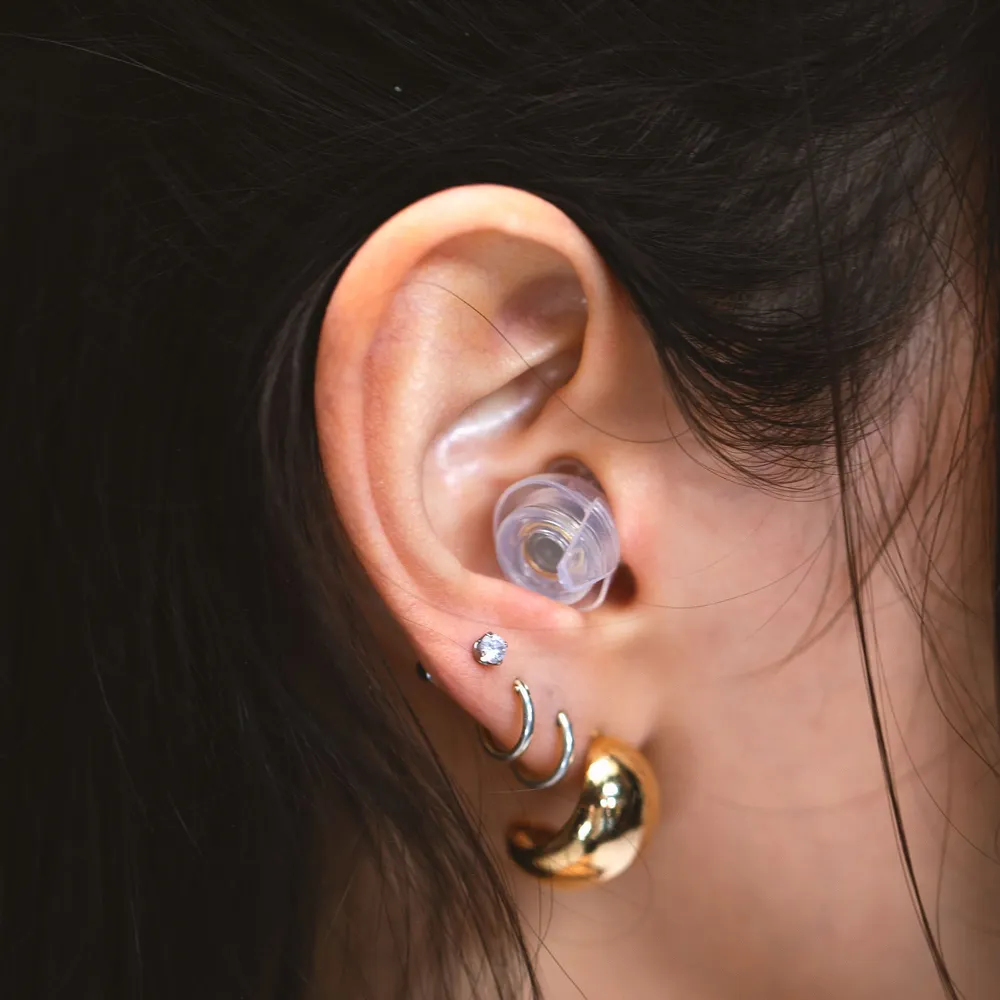
Loud is a word people use loosely, so here is the number. The NIDCD puts concerts, sporting events and headphones at maximum volume in the same band: 94 to 110 dBA. Eargasm, which has spent ten years selling hearing protection to people who go to shows, puts clubs and concerts at or around 100 dB in its own guide. Those two agree.
The number on its own means very little. Decibels are logarithmic, so the interesting question is never how loud, it is how loud for how long. That question has a published answer, and it is more aggressive than most people expect.
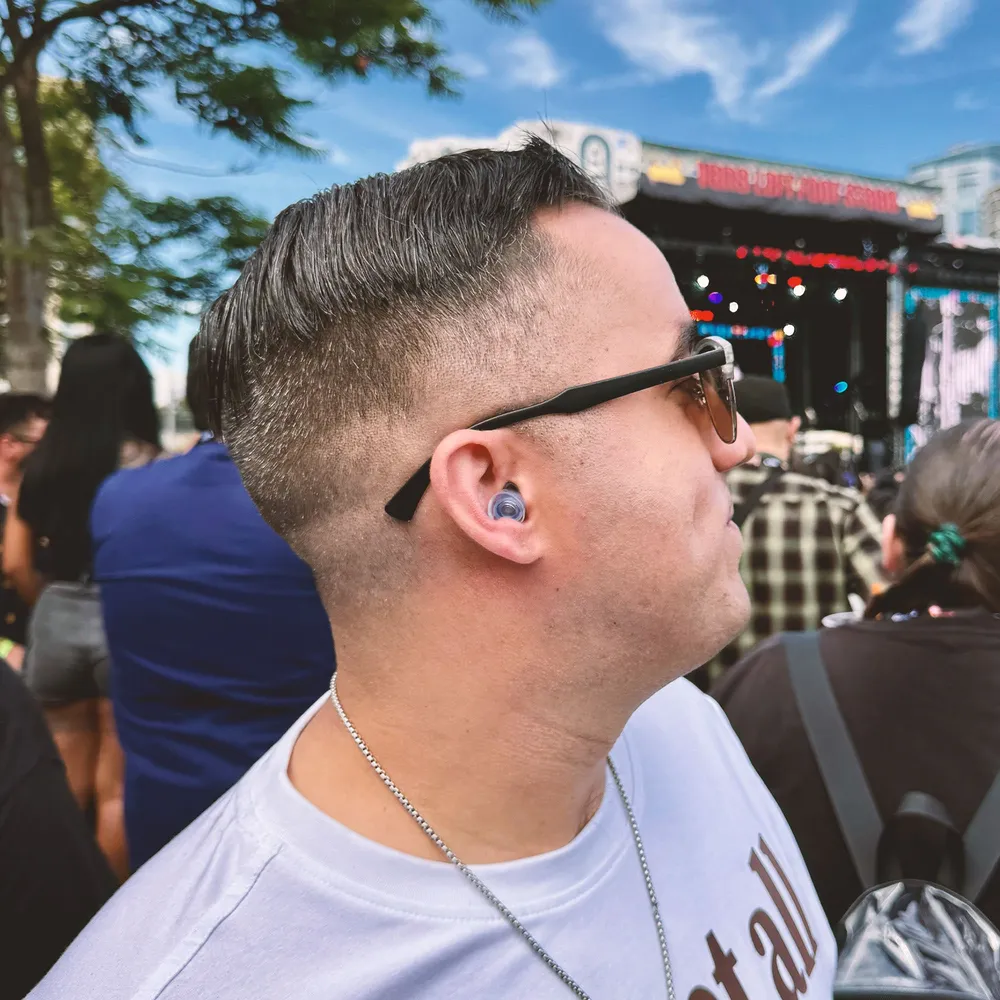
OSHA allows 8 hours of exposure to 90 dBA but only 2 hours of exposure to 100 dBA sound levels. NIOSH would recommend limiting the 8 hour exposure to less than 85 dBA. At 100 dBA, NIOSH recommends less than 15 minutes of exposure per day.
United States Department of Labor, Occupational Safety and Health Administration
Fifteen minutes. A headliner plays for ninety. The rule underneath that number is simple enough to carry around in your head: NIOSH works on a 3 dBA exchange rate, so every increase of 3 dBA doubles the amount of noise and halves the time you are meant to spend in it.
Nobody is suggesting you leave after four minutes of the encore. The point of the table is the shape of it. Every three decibels you take off the top gives you back double the evening, which is the entire reason hearing protection works at all.
So why does nobody wear them
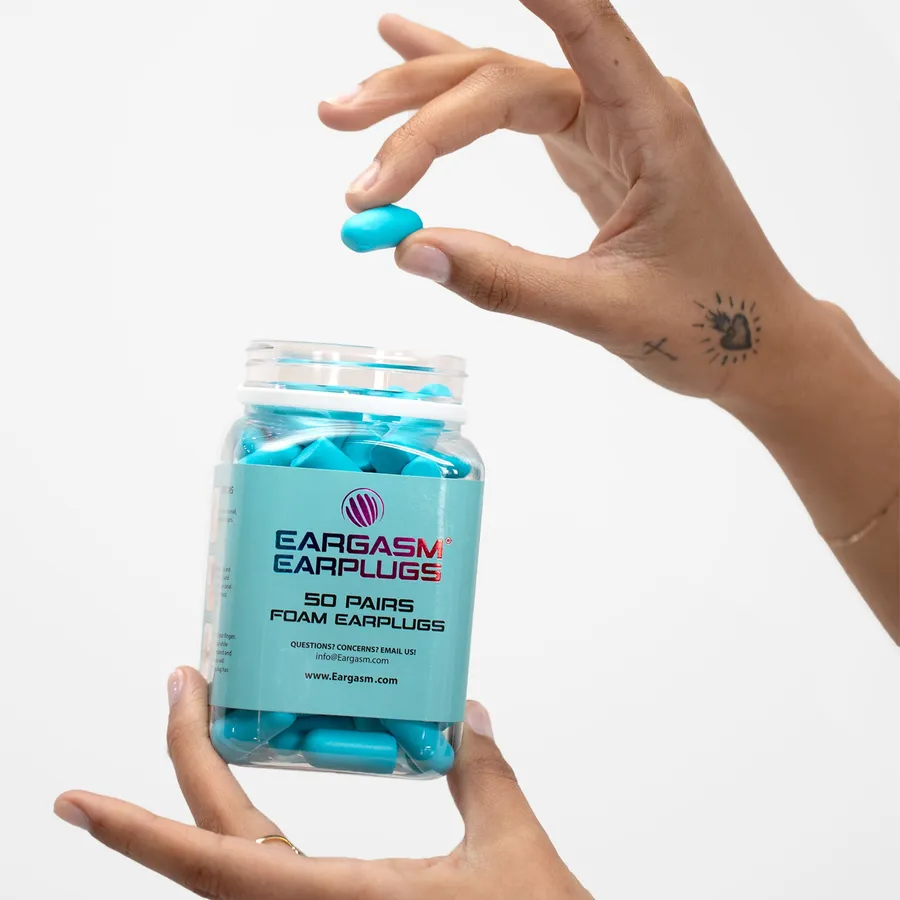
Because the earplugs almost everyone has actually tried are the foam ones from the gas station, and foam has exactly one job. It makes things quieter. It is excellent at that job and useless at the one that matters at a show, which is leaving the music recognizable when it arrives.
“I hate the cheap foam earplugs because you can’t hear anything, and I need to hear my customers orders.”
“Just picked up drumming again. Ears have been ringing for hours after band practices. Regular ear plugs just muffled too much of the sound.”
Both published on eargasm.com/pages/customer-reviews.
This is not a secret and the company that sells the alternative does not pretend otherwise. Eargasm sells foam plugs itself, $14.95 for a pack, and its own guide is unusually blunt about where they belong: they are “meant for single-use purposes,” they are “designed for a short life span,” and foam is “an amazing host for dirt and bacteria” once you start reusing it. Its verdict on why they sound the way they do is one line: foam plugs “are designed to block and absorb sound,” so “you will experience reduced sound quality.”
What is actually in a high fidelity plug
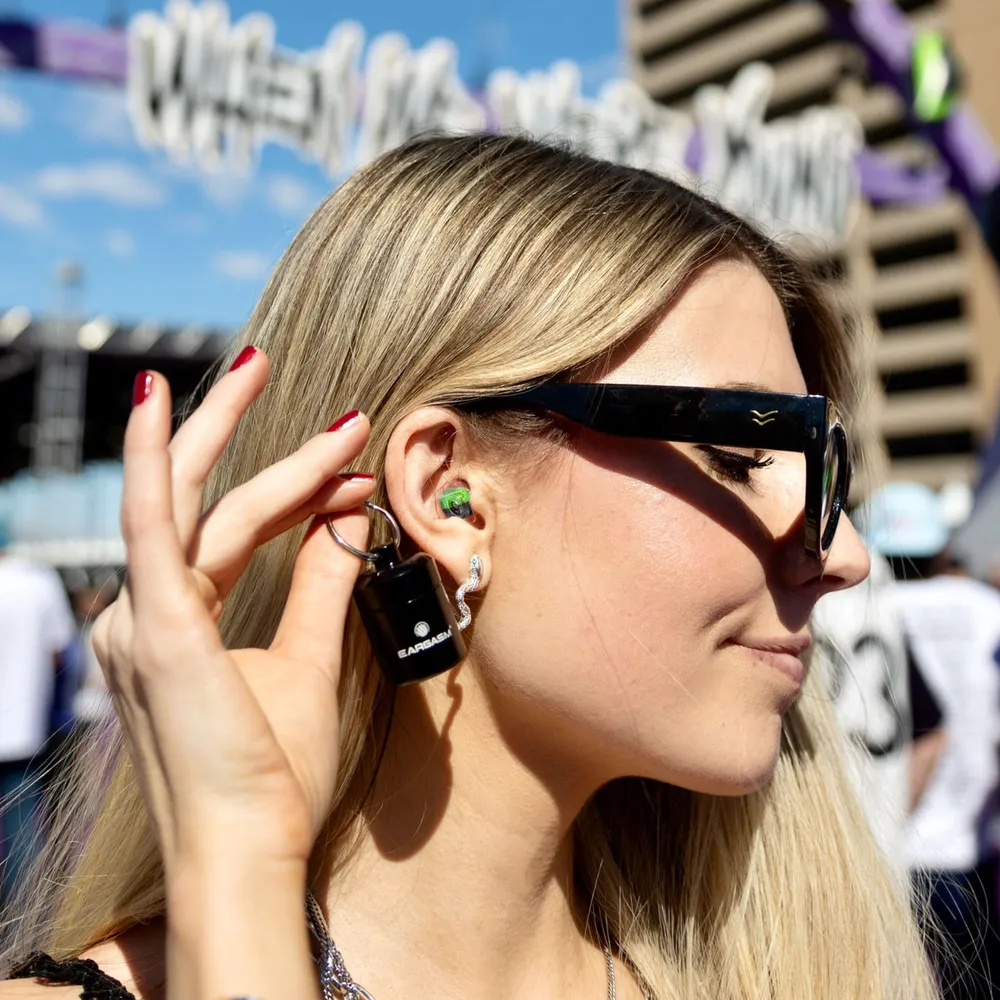
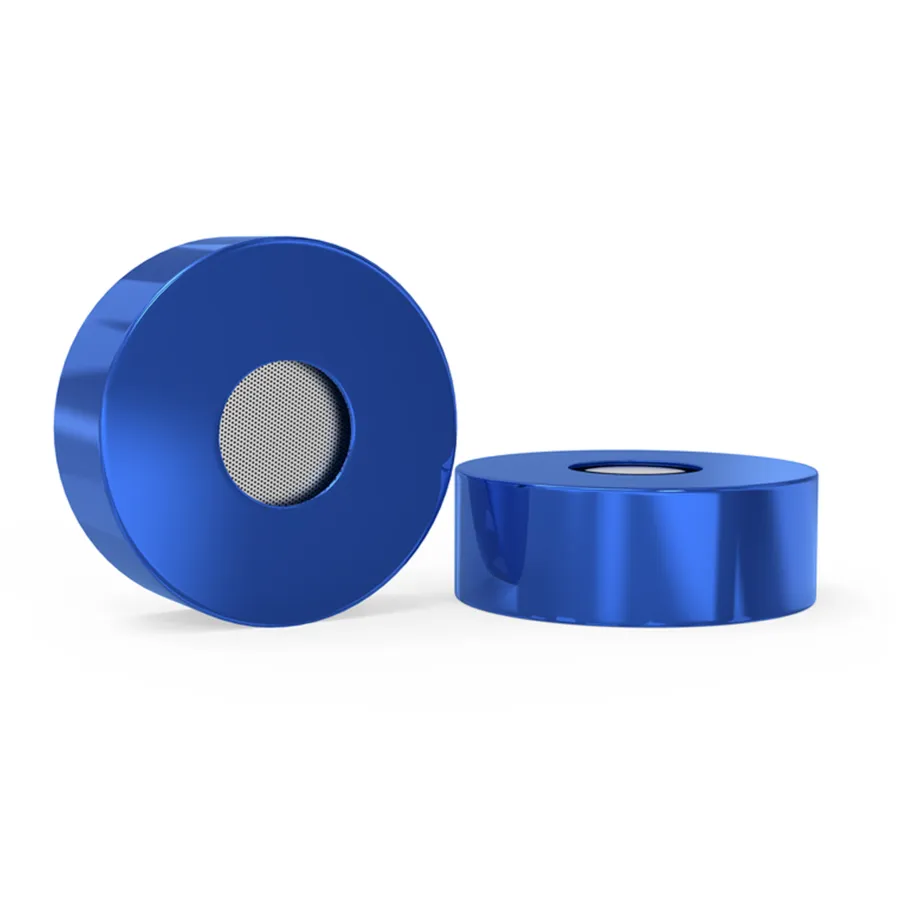
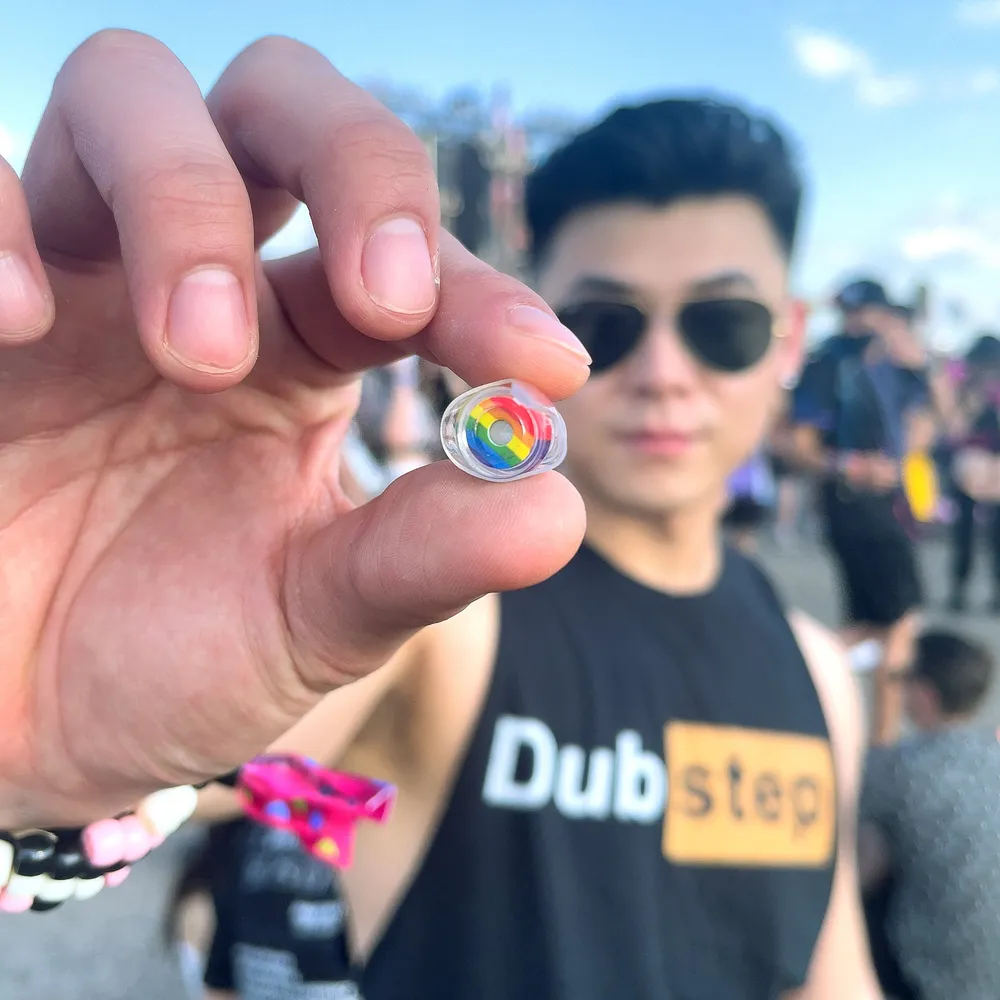
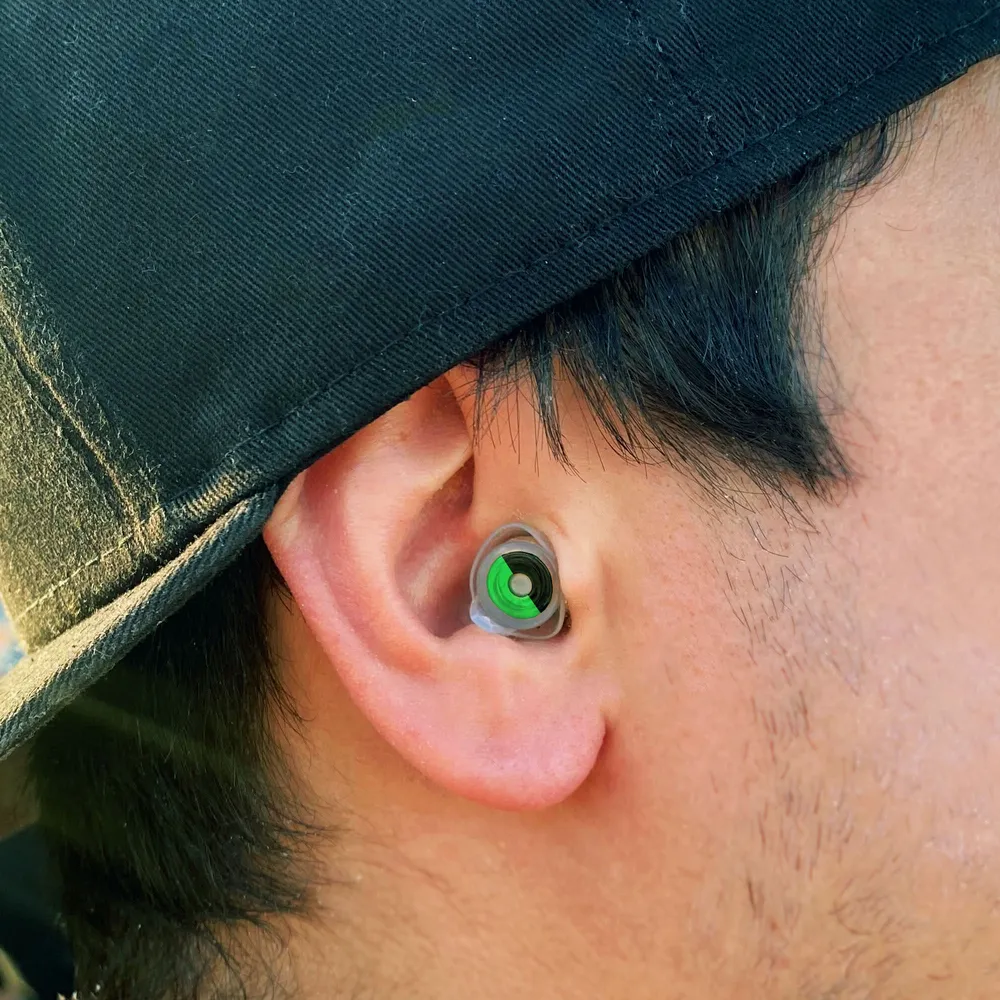
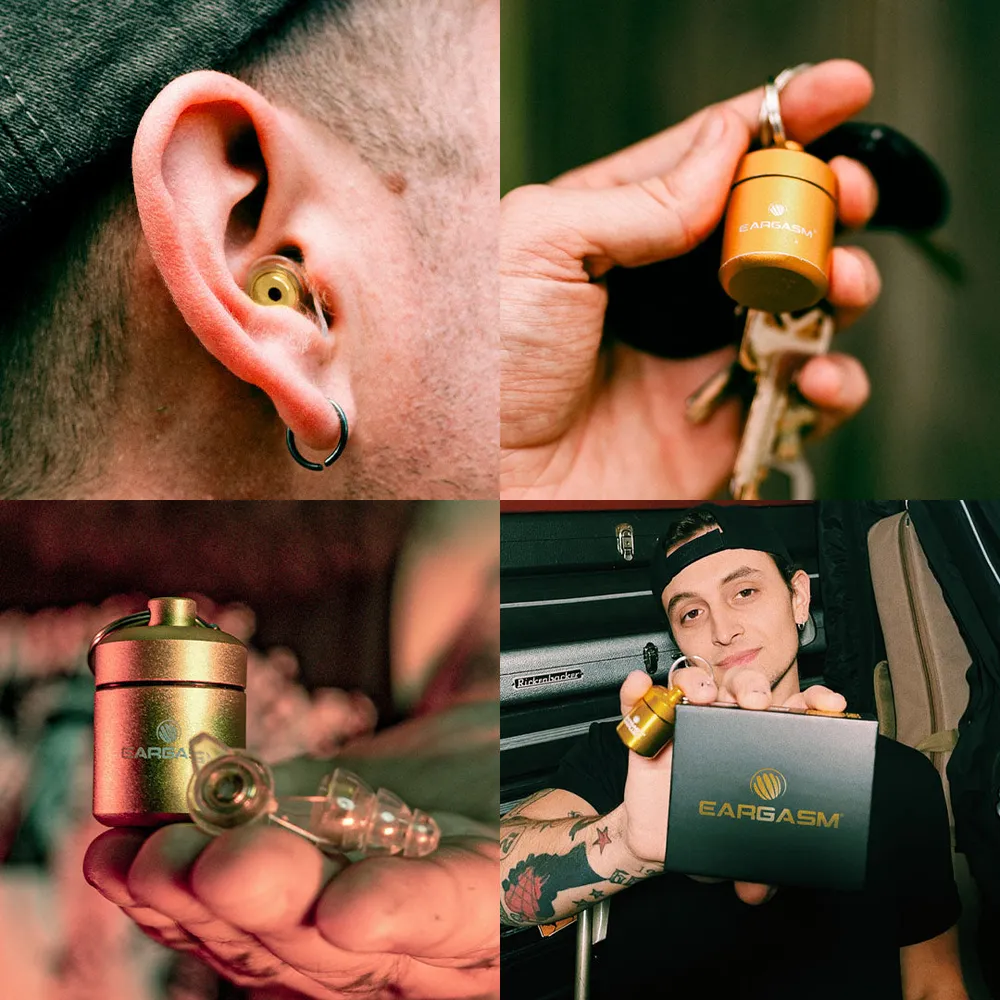
It is not a denser sponge. It is two parts. A soft hypoallergenic silicone shell seals the ear canal, and a separate attenuation filter sits inside the shell and does the acoustic work. Eargasm ships the filters pre-inserted in the standard size shells, and every box also contains a second pair of smaller shells you can move the same filters into. That is why one purchase covers two ear sizes instead of forcing you to guess before you buy.
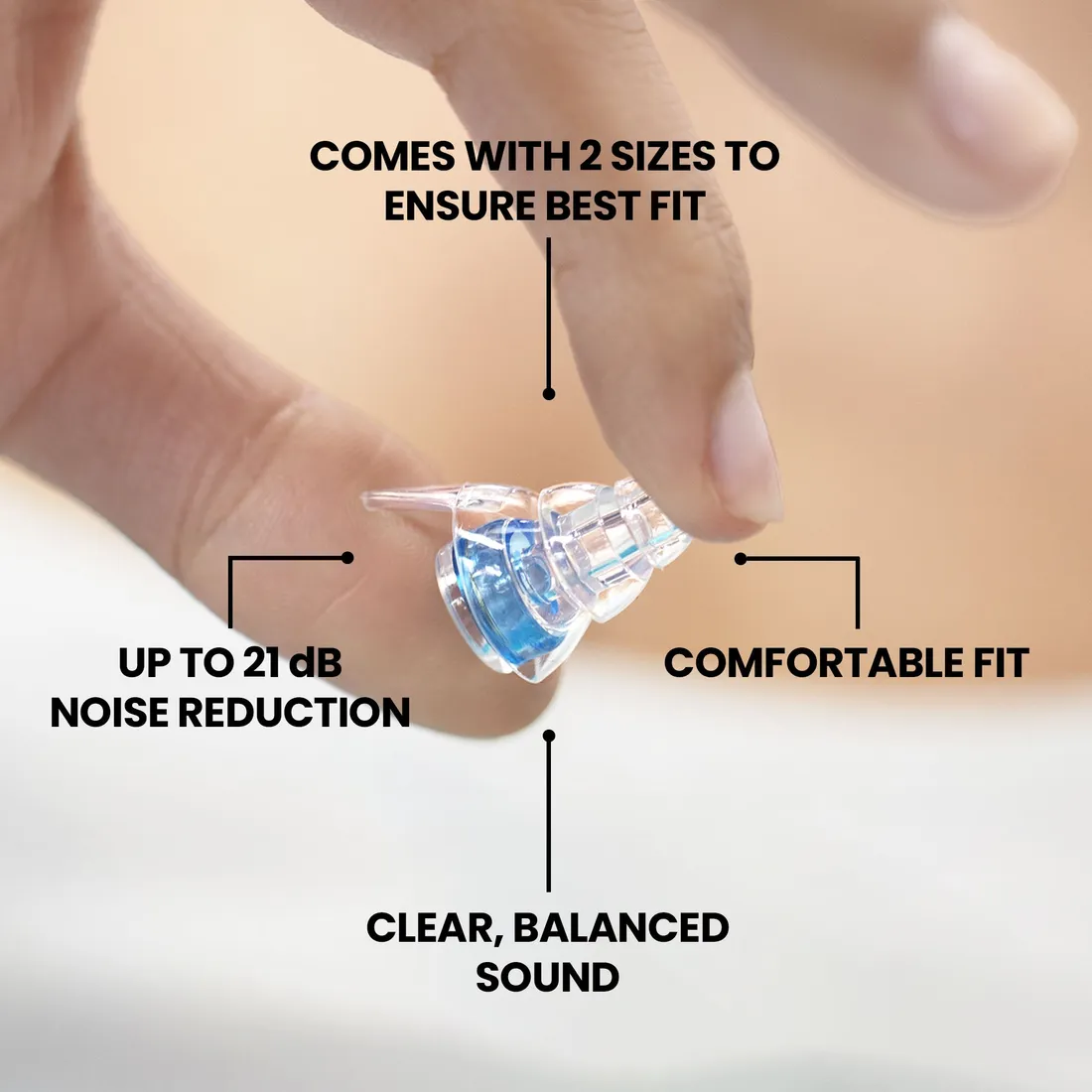
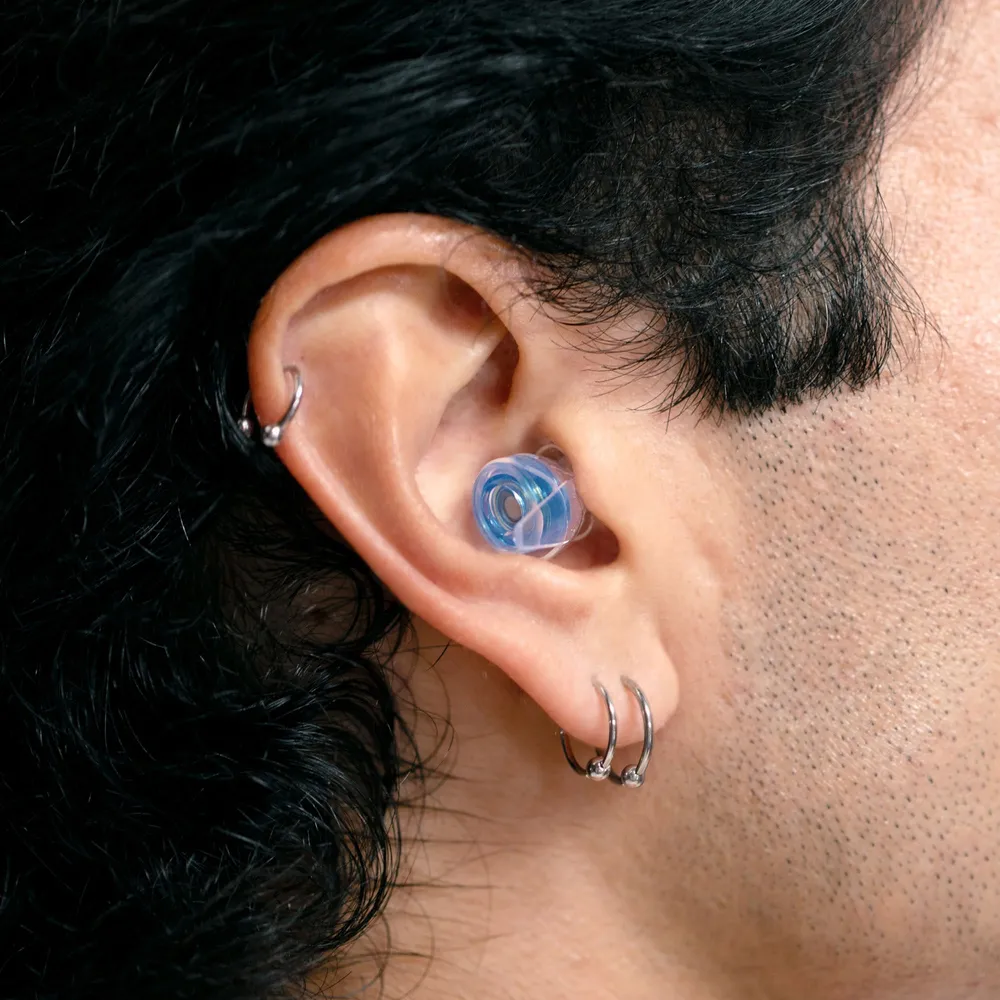
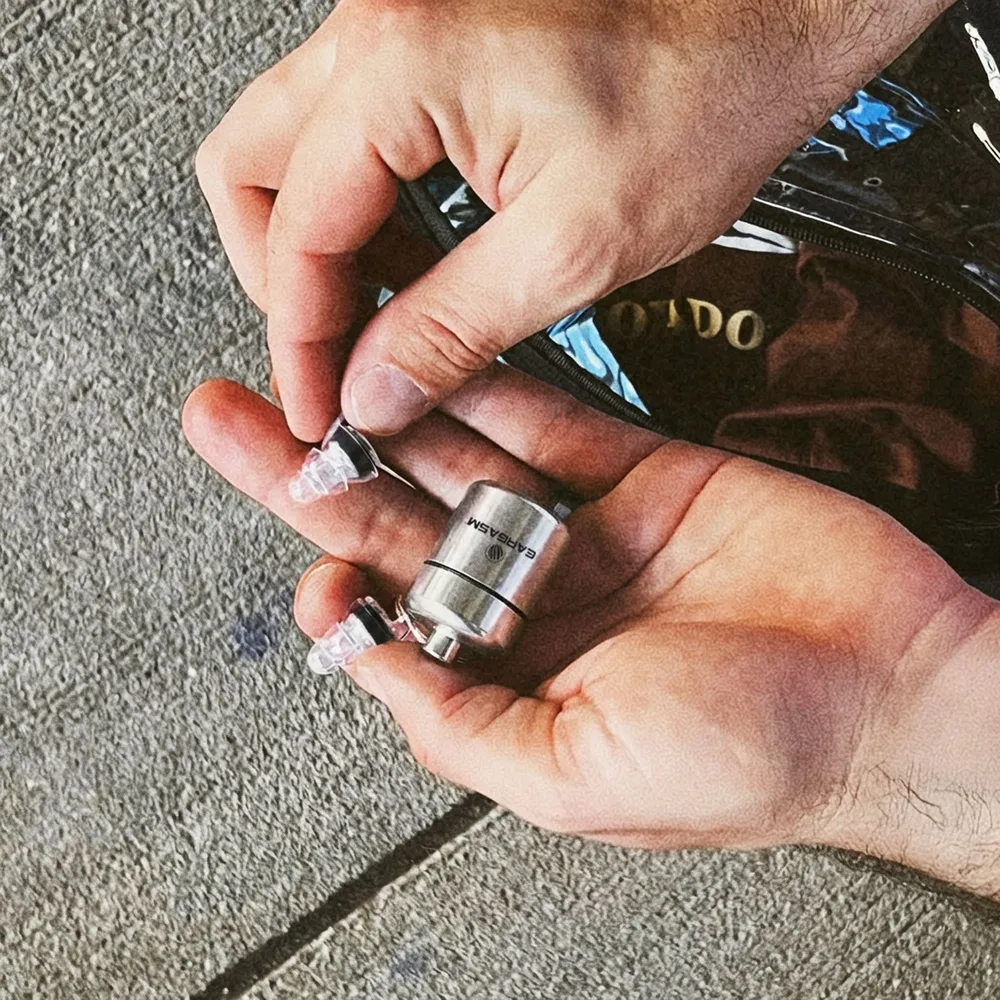
The rest of the box is unglamorous and matters more than it should: a lightweight aluminum case that clips to a keyring, a spare pair of shells, an instruction manual. Hearing protection you left at home protects nothing, which is a design problem before it is a discipline problem.
The number printed on the box is designed to be low
Here is the piece almost nobody in the aisle knows, and it is the reason comparing earplugs by the big number on the front is close to useless.
Every hearing protector sold in the United States carries a Noise Reduction Rating, and that rating is not a measurement of what the plug will do for you. It is the output of a test procedure written into federal regulation, and the regulation is deliberately pessimistic. Eargasm publishes the explanation on its own site rather than burying it. Its plugs were tested at a certified psychoacoustics laboratory under the EPA guidelines mandated by 40 CFR Part 211, Subpart B, and the company notes that those guidelines “require that a very conservative estimate of the earplug’s decibel reduction capabilities is provided.”
Which leaves the buyer with two numbers instead of one. On the Eargasm High Fidelity Earplugs, the NRR is 16 dB and the expected reduction the company publishes alongside it is 21 dB. It is worth running the arithmetic with both, because the conclusion holds either way.
Both land under the line where NIOSH starts counting. That is the whole trade, stated plainly: it is the difference between a fifteen minute allowance and an evening.
And the honest other half, which the marketing never says out loud. At the top of the NIDCD’s range, a 110 dBA front row, the same 21 dB lands you at 89. Still above the line. Earplugs move the clock. They do not stop it. Distance moves it too, and cheaply: OSHA notes that in open space, every doubling of your distance from the source drops the level by about 6 dBA. Two songs at the barrier and the rest of the set from thirty feet back is not a compromise, it is arithmetic.
From people who spend their evenings in loud rooms
The claim that matters is not that a filtered plug is quieter. It is that it is quieter without turning the band into a rumor. That claim is easy to check, because the people most exposed to it are the ones who have already tried everything else.
“Between the similarly spec’d Westone and Etymotics, these immediately stand out as passing the least colored sound. One of my ear canals is slightly larger than the other; these fit perfectly in both. Overall, a tight and realistic sound at concert volumes, great fit, easy to get in and out.”
“I go to a lot of concerts and hit the age where it was time to worry about my ears. I purchased these and right away went to two concerts one indoor and one outdoors. My ears felt fine after the concerts and the next day for the first time in a long time.”
“I used these for the first time this week. Perfect! Exactly what I needed. Could hear my other bandmates well, and no ringing even after a 2.5 hour practice.”
“They cancel wind noise nicely while still allowing me to hear the important sounds of traffic, etc. Easy to insert. Firm material that does not flex - which is great.”
All four published on eargasm.com/pages/customer-reviews. Quoted as written, lightly trimmed for length.
What they will not do
A short list, because a page that only lists strengths is an advertisement.
They are not custom-molded. A studio audiologist takes an impression of your canal and has a plug built around it, and that fits better than anything off a shelf. The trade is an appointment, an ear impression and a much bigger bill. Eargasm splits the difference by putting two stock shell sizes in every box, so you are not asked to pick a size before you have tried one.
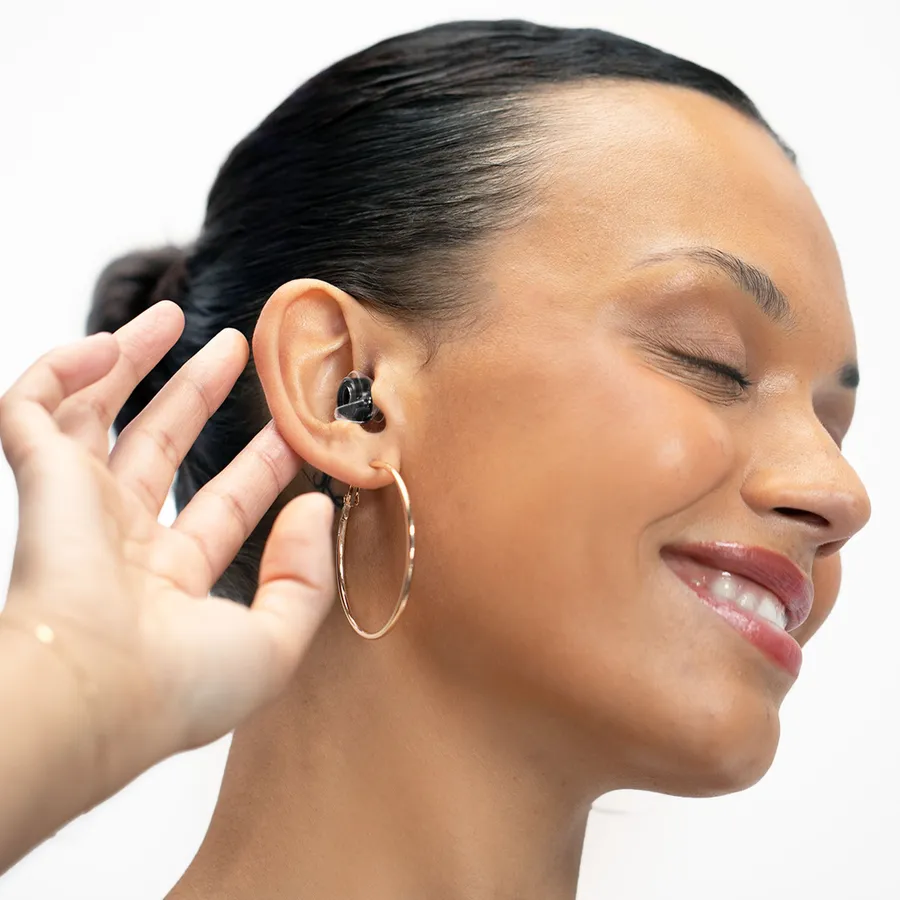
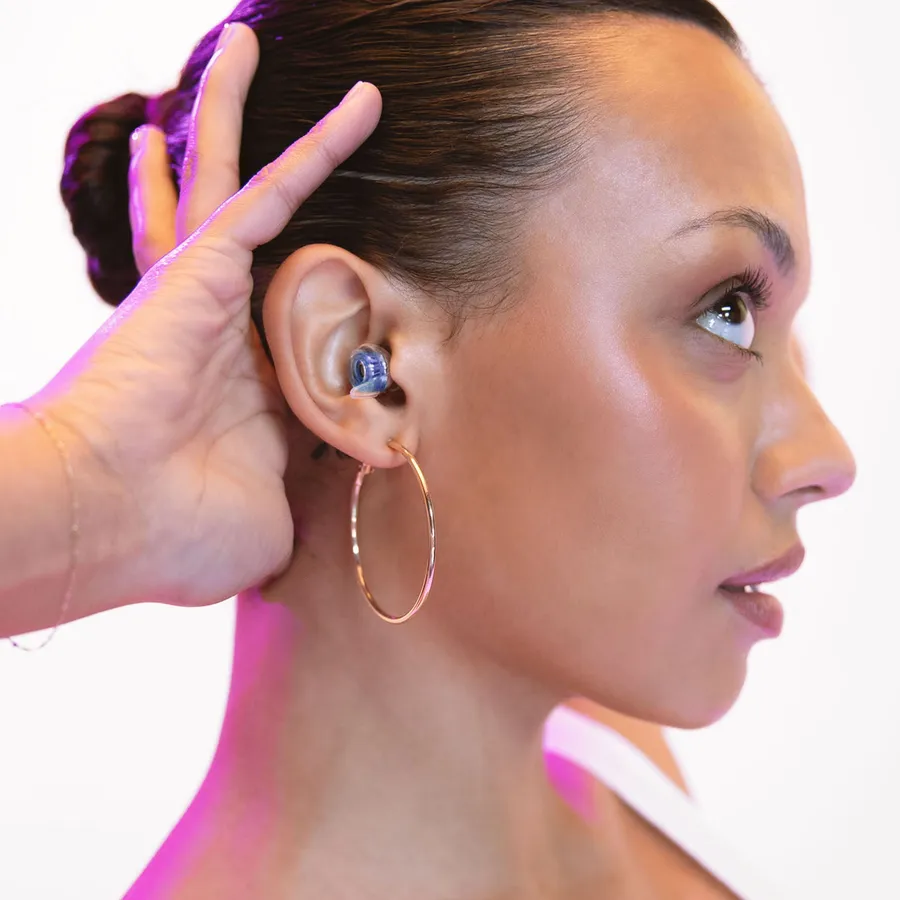
Fit is the whole game. A plug that is not seated does close to nothing, and the seal is the entire mechanism. Eargasm publishes an insertion guide and a sizing page for exactly this reason, and they are worth five minutes before your next show rather than during it.
They are not sleep plugs. Different problem, different product: for sleep you want maximum blocking and something you can lie on, which is what foam and Eargasm’s own All Nighters set are for. High fidelity plugs are built to let a mix through intact, which is the last thing you want at 2 a.m.

And you will lose them. That is the real failure mode of a $50 object the size of a raisin, which is why the aluminum case clips to a keyring and why the company sells a loss protection program at all.
What it costs
| What | Price on eargasm.com |
|---|---|
| Foam earplugs, pack | $14.95, and meant to be thrown away after a use |
| High Fidelity Earplugs, Blue | $47.95, reusable, both shell sizes included |
| High Fidelity Earplugs, Transparent | $49.95 |
| Festival and limited editions | $58.95 |
| Replacement high dB filters | $26.95 |
Prices as published on eargasm.com on August 18, 2026.
For scale on the other side of the ledger: ten years in business, more than a million Eargasm users, more than ten thousand reviews, shipping to over a hundred countries. It is not a new idea being tested on you. It is a filter, a shell and a keychain case, sold to people who worked out some time ago that the ringing was never the point.
Your next loud room is already on the calendar
The hair cells are the ones you were issued. The evening is negotiable.